How to Dry, Store, and Freeze Carp Boilies – The Complete Guide
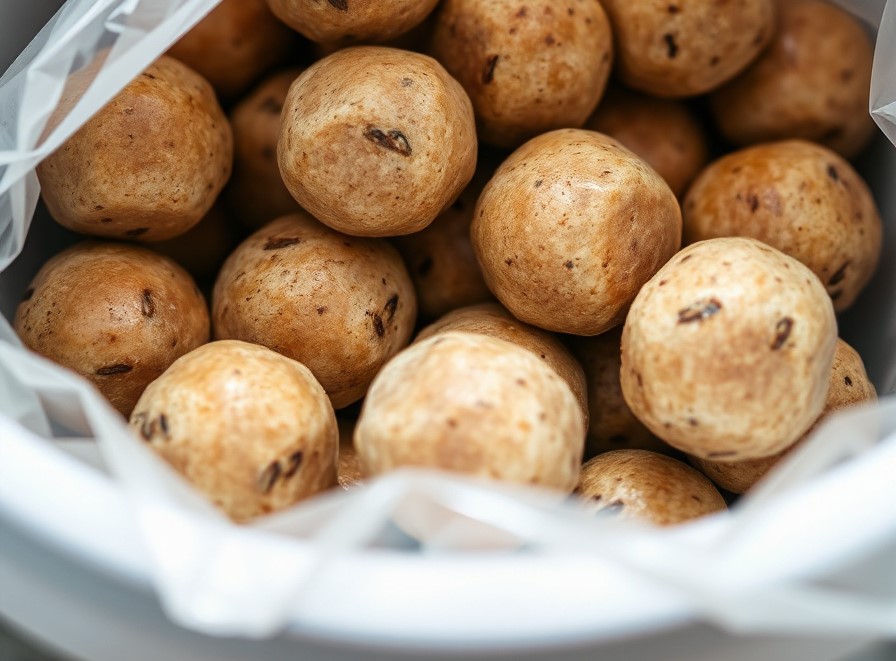
You’ve rolled a perfect batch of boilies. You’ve invested time, money, and effort. And then, due to a simple storage mistake, half of them end up in the bin – mouldy, stinking, or falling apart on the hair rig. This hurts every angler.
Proper drying and storing is an equally crucial step as the recipe itself. Baits dried for too short a time will dissolve in the water inside of two hours. Boilies piled on top of each other will grow mould on the bottom within 24 hours. Placing baits straight into a sealed bucket will cause them to ferment in mere days. Every mistake costs you bait, but they are all entirely avoidable.
This guide covers everything: precise drying times (with a chart), storage methods, freezing rules, using preservatives, dipping, and glugging. Step by step, with zero fluff.
Why Proper Boilie Storage Matters So Much
Boilies are biologically active baits – they contain proteins, fats, and water. Under the water, this is a massive advantage (leakage of attractants). In your shed, it leads straight to spoilage.
Three main processes destroy homemade baits:
- Mould – Fungi thrive in damp environments with zero airflow. Mixes rich in fishmeal, oils, and casein are heavily susceptible. Temperatures between 15°C and 25°C with high humidity provide the perfect breeding ground.
- Fermentation – Freezer baits locked in a sealed container will ferment rather quickly. The biological by-products are acetic acid and ammonia. Carp will absolutely refuse fermented bait.
- Fat Oxidation – Oils (especially fish oils) will easily go rancid when exposed to heat and oxygen. Rancid baits lose their attraction and actively repel carp.
• Visible mould (white, grey, or green fuzz)
• Sharp, sour, or ammonia-like smell (fermentation)
• A pungent, rancid "fishy" stink from oil-based baits
• Baits feeling overly sticky, slimy or mushy
How to Air-Dry Carp Boilies? The Full Drying Chart
The drying process starts the exact second you pull your boils from the boiling water or steamer. This is where most beginners go wrong. Here are the three golden rules:
- Always a single layer – Boilies stacked on top of each other will trap moisture and never dry at the bottom. Leave at least 2 cm of space between baits.
- 360-degree airflow – Use plastic crates with ventilation holes, mesh nets, or dedicated air-dry trays. Never drop them on a solid bucket lid, a towel, or tin foil.
- Cool, well-ventilated location – A garage, a cellar, or a shaded utility room. Avoid direct sunlight (destroys flavours) and warm spaces (accelerates mould).
Drying Time vs Effect:
| Drying Time | Resulting Hardness | Durability in the water | Ideal situation |
|---|---|---|---|
| 0-6 hours | Very soft ("fresh bait") | 1-3 hours | Short day sessions, nuisance-fish free waters, intense "cloud effect" baiting |
| 12-24 hours | Medium / Firm | 4-6 hours | Summer sessions, quick overnighters |
| 24-48 hours | Hard (The Standard) | 6-10 hours | Standard sessions, overnight rigs, most UK and European lakes |
| 48-72 hours | Rock hard ("hard bait") | 12+ hours | Crayfish infested waters, resisting bream & tench. Winter angling. |
Choosing the Right Drying Equipment
Plastic vegetable crates – Often free from supermarkets. You can stack them high (keeping space between layers) to dry massive batches in a tight space.
Dedicated mesh air-dry trays – The best commercial solution. Fine mesh allows absolute maximum airflow from the bottom. The baits won't roll away. Essential if you roll 2+ kg per session.
The Kitchen Oven – Only using the fan-assist setting, at an absolute maximum of 50-60°C for 4-6 hours. Anything higher will denature the proteins, destroy synthetic flavours, and heavily oxidize oils. Oven-drying is an "emergency measure" and produces much more brittle baits than natural air-drying. Not recommended for standard use.
• Drying exposed to direct, hot sunlight
• Drying in a warm, steamy kitchen
• Throwing them inside a closed tub before they are bone-dry
• Setting them on a towel (fabric traps moisture directly underneath the bait)
Why Do My Homemade Boilies Go Mouldy?
🍄 Top 5 Causes of Spoilage:
- Insufficient drying time – They feel dry to the touch, but the core is soaking wet. Once sealed in a bag, the core moisture condenses heavily on the skin. A mould paradise.
- Baits piled up touching each other – The downside receives zero air. Even after 48 hours on a tray, the bottom will stay dangerously damp.
- Stored in excessive heat – Above 20°C, fungi spores explode into action, even on boilies that were relatively well prepared.
- Heavy oil/fishmeal content – Fats inside LT94 and salmon oils act as phenomenal fungal fuel. Pure fishmeal baits require 12-24 hours more drying time than a standard birdfood or semolina bait.
- Zero chemicals during long storage – A genuine "freezer bait" containing zero preservatives will inevitably rot if left outside a freezer for more than 5 days. Period.
Boilie Storage Methods – Ranked and Compared
Freezer
up to 12 monthsThe champion method without using chemicals. Baits retain 100% freshness and aroma. Airtight packaging is mandatory.
Fridge
3-7 daysPerfect for an immediate upcoming session. Store them in a slightly open or breathable bag.
Air-Dried (Cool Dark Place)
2-4 weeksRequires hard 48h+ drying. Breathable mesh bags in a cool cellar. Adding preservatives pushes this to months.
How to Freeze Boilies The Right Way
Freezing is the absolute best method for long-term storage. Bonus: Thawed boilies absorb liquid dips far aggressively than fresh ones, because the freezing process slightly opens their cellular structure.
- Air-dry the baits for a minimum of 12-24 hours before they hit the ice. Freezing wet, undried baits causes huge ice crystals to form internally, literally blowing up the bait from the inside out. When defrosted, they crumble instantly.
- Divide them into session-sized batches (e.g. 50 baits per bag). Continuously thawing and re-freezing a 5kg bucket destroys the bait matrix and evaporates flavours drastically.
- Use heavy-duty zip-lock bags or better yet, vacuum seal them. Squeeze out every last pocket of air before zipping. Oxygen causes freezer burn and oxidizes fish oils over time.
- Label everything! – Date, recipe, size. After 6 months in a chest freezer, every brown fishmeal boilie looks exactly identical.
- Thaw them slowly. Pull a bag out the night before your trip and let them defrost at room temperature. Do not blast them in a microwave – it spot-cooks them, creating rubbery shells and mushy centers.
Liquid & Powder Preservatives – Usage Guide
Adding a preservative only makes sense if you plan to store the baits for over a week away from a freezer. If you have the freezer space – always freeze. Preservatives are a fallback, not a superior option.
The Most Common Options:
- Sorbic Acid (E200) – The most effective, standard option. It prevents yeast and mould growth. Dosage: 0.2-0.3% of the finished bait weight (approx. 2-3 g per 1 kg). Add it into the dry mix powder before introducing eggs. It is entirely neutral in taste.
- Sea Salt Cure – The osmosis method. Roll your finished baits vigorously in salt and leave for 30 minutes, then shake off the excess. Salt pulls surface moisture out and hardens the shell rapidly. Natural, but less effective for highly oily mixes.
- Tea Tree Oil – Natural anti-fungal agent. Very potent: 3-5 ml per 1 kg mix. Warning: It holds an incredibly aggressive aroma which carp can easily single out. Use sparingly.
- Liquid Smoke Extract – Often used in barbecue foods. Alongside preservation, it grants an intense smoky BBQ label to the bait which is proven to catch carp. Use a few millilitres per kg.
- Dedicated Liquid Preservatives (Mold Resist, Boilie Preserver) – Branded liquid blends produced by bait companies. Add them into your wet egg mixture. Easy, but the most expensive route.
Dipping and Glugging – Maximise Attraction
A dip is a highly concentrated liquid attractor. If done right, they release an intense cloud of scent instantly. If done wrong, they ruin your carefully dried baits.
The Rules of Dipping:
- Dip shortly before the session – The night before, or on the morning of it. Leaving baits floating in an alcohol-based dip for weeks will turn them into unusable mush.
- Thawed baits absorb better – The cellular structure is opened slightly by freezing. Thaw them, bring them to room temperature, and then apply your dip for maximum wicking action.
- Timings: 30-60 minutes for potent alcohol dips; 2-4 hours for heavy oil dips; overnight for thick glycerol/syrup dips.
- Do not drown them – Baits should be coated, not floating freely in an ocean of dip. Shake or roll the tub every 20 minutes to ensure every bait gets an even glaze.
- Fridge storage post-dip – Dips are not preservatives. Once dipped, the clock starts ticking fast. Keep them cool and use within 3-5 days.
Glugging:
A "glug" is an extremely thick, sticky oil or glycerol-based syrup that coats the outside of the bait like glue. Unlike dips, glugs do not penetrate deeply – they stick to the crust, sending a column of flavour directly above your hookbait when it hits the bottom. Perfect for spod mixes and PVA bags.
Special Cases – Handling Troublesome Mixes
Fishmeal Baits (LT94, Supergold60)
Fishmeals are naturally loaded with heavy oils. Any bait built upon a massive fishmeal base absolutely requires 12 to 24 hours of additional drying compared to a birdfood bait. They might appear rock solid on the outside while the core is severely damp. Always cut a tester bait open.
Milk Proteins (Casein, Whey)
Milk proteins are essentially premium fast food for bacteria and spores. High casein milk-mix baits will spoil incredibly fast in humid conditions. Try to dry them in a much cooler room (10-15°C) and transfer them directly to a freezer once dry. Adding a hint of sorbic acid is highly recommended here.
Fresh Baits (Zero Drying)
Creating deliberately doughy, ultra-soft "fresh baits"? They must skip the drying rack entirely, go directly into a fridge, and be fished within 72 hours. Alternatively: chuck them instantly into a freezer. On the bank, keep them in a cool-bag.
Frequently Asked Questions
How long should I dry my carp boilies?
Time dictates hardness:
- 6-12 hours – Soft "fresh baits", intense, rapid release, lasts 3-4 hours.
- 24-36 hours – Standard durability, holds on the rig for 6-8h.
- 48-72 hours – Extremely tough, resists crayfish and nuisance species for 12+ hours.
Allow extra time for heavy fishmeal and heavily oiled baits.
How long can you freeze boilies?
They will maintain prime condition for 6 to 12 months. The key is to air-dry them thoroughly beforehand to prevent ice crystal blowouts, and to pack them in heavily vacuumed or tightly sealed zip-lock bags. Always defrost them slowly at natural room temperature.
Why do my boilies go mouldy?
The three main culprits: insufficient drying time leaving a damp central core, piling baits on top of one another preventing airflow from the bottom, or storing them in a warm, damp location above 20°C. Pure fishmeal baits are particularly vulnerable. Solution: Single-layer drying followed immediately by the freezer.
Can I freeze boilies after dipping them?
You can, but the effect is poor. Liquid dips tend to crystallize in the freezer and act strangely upon thawing. The superior method: Freeze them completely dry → thaw before your session → apply your dip. The thawed cellular structure acts like a sponge for the dip.
Which preservatives should I use for boilies?
Sorbic acid (E200) remains the standout choice. Dose at 0.2-0.3% of the total mix weight, adding it to the dry powder. Natural routes include rolling finished baits in sea salt or adding 3-5ml of strong tea tree oil. Remember: ONLY use preservatives if you intend to store the bait for a prolonged period outside of a freezer.
Can I dry boilies in the oven?
Yes, but stick exclusively to a fan-assist setting at 50-60°C max for about 4-6 hours. Anything higher annihilates proteins, evaporates synthetic liquid flavours, and heavily oxidizes oils. The oven creates vastly more brittle, crusty baits than steady air drying. Keep it as an emergency backup.
Summary – The Golden Rules of Storage
- Air-dry in a single layer with unrestricted airflow from beneath.
- Adapt completely to your ingredients – Fishmeal baits demand longer drying times.
- Freeze in session-sized zip-lock batches. It's the ultimate chemical-free solution.
- Do not freeze a dipped bait – Freeze dry, then dip after thawing.
- Reserve preservatives purely for situations lacking a freezer.
- Bin it mercilessly – Don't gamble with mouldy bait. A ruined lakebed spells a ruined session.
• Simple Baits I – The absolute beginner's choice
• 50/50 Base Mix – The classic, endless playground
• 40/20 Milk Protein Mix – A creamy casein powerhouse
• 50/50 Fishmeal & Salmon Oil – Deep meaty attraction
• Explore All Recipes →
💬 Comments
Got a unique storage trick? Share it with everyone below!